
Articles in this Meal planning and pantry guide
The domestic kitchen has long been the site of a quiet tension between necessity and aspiration. For years, the act of feeding ourselves was framed through the lens of efficiency or, more recently, through the exacting standards of aesthetic perfection. We have lived through eras where the pantry was a hidden graveyard of expired tins and where meal planning was synonymous with the joyless tracking of calories. However, a significant shift is occurring in how we approach the intersection of our larders and our daily schedules. We are moving toward a philosophy of intentionality, where the way we stock our shelves and map out our meals is seen as a foundational pillar of cognitive health and emotional well-being.
This guide serves as a comprehensive exploration of that shift. It moves beyond the surface-level trends of organization to examine how a well-managed kitchen environment can reduce decision fatigue, foster creativity, and reconnect us with the natural cycles of the seasons. By aligning the physical space of the pantry with a sustainable system of planning, the home cook can transform the daily question of "what’s for dinner?" from a source of stress into a streamlined ritual of nourishment.
The Foundation: Building a Functional and Curated Pantry
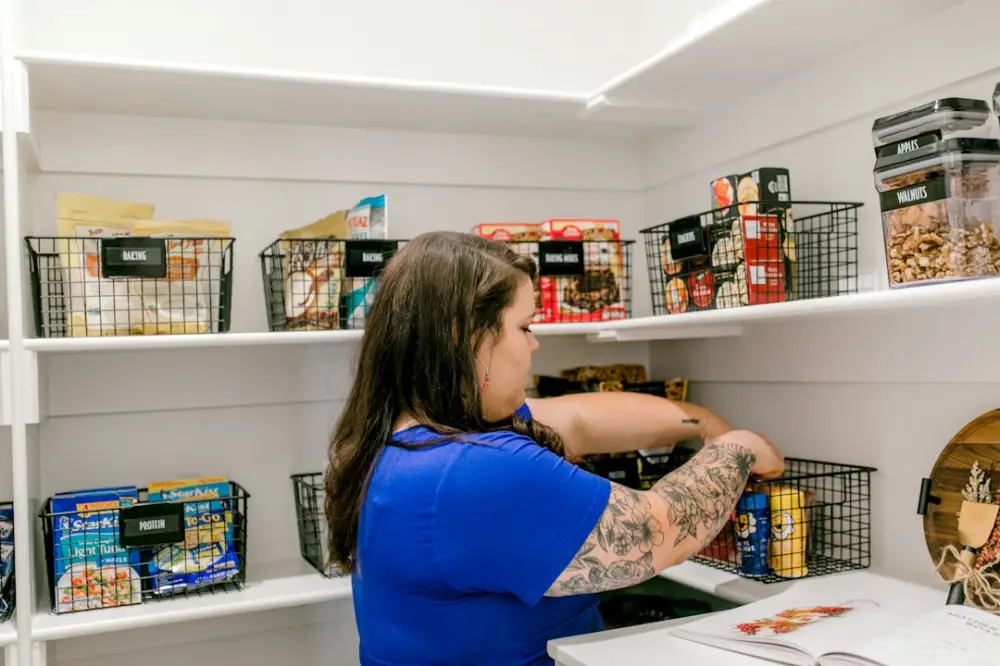
The pantry is often the most overlooked architectural feature of the home, yet it functions as the engine room of our nutritional lives. To move from a state of kitchen chaos to one of culinary readiness, we must embrace the rise of the curated pantry as a modern lifestyle essential. This transition is not merely about purchasing matching glassware; it is about a fundamental re-evaluation of the ingredients we choose to keep within reach. When we curate, we select with purpose, ensuring that every item in our inventory serves a specific role in our repertoire.
A curated pantry acts as a visual and psychological invitation to cook. When ingredients like pearled farro, vibrant red lentils, and cold-pressed oils are visible and accessible, the barrier to preparing a meal is significantly lowered. The psychological friction caused by digging through cluttered cupboards often leads to the convenience of takeout. Conversely, an organized shelf provides a clear map of possibilities. Consider the following categories as the bedrock of a functional pantry:
- The Grains: Moving beyond white rice to include high-fiber options like quinoa, buckwheat, and steel-cut oats. These provide the complex carbohydrates necessary for sustained mental focus.
- The Legumes: Dried or jarred chickpeas, black beans, and lentils. These are the workhorses of a cost-effective kitchen, offering protein and shelf-stability.
- The Flavor Anchors: High-quality vinegars, tahini, miso paste, and a diverse spice rack. These allow you to transform basic staples into a variety of global cuisines without needing a long list of fresh ingredients.
- The Fats: Extra virgin olive oil for finishing, coconut oil for high-heat cooking, and a variety of nuts and seeds for texture and essential fatty acids.
By treating the pantry as a living collection rather than a storage unit, we create a space that reflects our values. This intentionality ensures that we are always only twenty minutes away from a balanced meal, regardless of how busy the workday has been.
Strategic Meal Planning for the Modern Home Cook
If the pantry is the engine, meal planning is the navigation system. Without a plan, even the most beautifully stocked kitchen can feel overwhelming. The goal of a modern planning system is not to dictate every bite with rigid authority, but to provide a flexible framework that accounts for the unpredictability of daily life. For those just starting, a beginner’s guide to creating a balanced weekly meal plan can provide the necessary structure to overcome the initial hurdle of "choice paralysis."
Strategic planning begins with an inventory-first mindset. Rather than starting with a blank grocery list, look at what is already present in your curated pantry. This "reverse meal planning" reduces waste and ensures that you are rotating your stock effectively. A successful weekly routine often involves three distinct phases:
The Assessment Phase
Take ten minutes on a weekend to look at your upcoming calendar. Identify the "high-friction" nights—those evenings with late meetings or social commitments—and designate them for "pantry meals" or leftovers. This prevents the guilt of failing to cook a complex meal when time simply doesn't allow for it.
The Modular Preparation Phase
Instead of "meal prepping" entire containers of the same dish, consider modular prep. Roast a large tray of seasonal vegetables, cook a pot of grains, and whisk together a versatile dressing. These components can be assembled in different configurations throughout the week, providing variety while maintaining the convenience of ready-to-eat food.
The Flexibility Buffer
Always leave at least one or two nights unassigned. This allows for spontaneity—perhaps a friend invites you out, or you feel inspired by a specific ingredient at the market. A plan that is too rigid is a plan that is destined to be abandoned.
The Economics of Eating Well: Quality on a Budget
There is a pervasive myth that a nutrient-dense, intentional diet is a luxury reserved for those with significant disposable income. This perception is often fueled by the branding of "wellness" as a high-end commodity. However, when we strip away the sleek packaging and the "superfood" labels, we find that i believe eating well should actually be cheaper than we think. The core of a healthy diet—whole grains, seasonal produce, and plant-based proteins—remains among the most affordable items in the grocery store.
The cost-effective kitchen relies on the "Pantry Economy." This involves shifting our spending away from expensive, ultra-processed convenience foods and toward versatile bulk staples. For example, a bag of dried black beans costs a fraction of the price of a pre-packaged microwaveable meal and can serve as the base for soups, salads, and tacos over several days. To maximize your budget without sacrificing quality, consider these strategies:
- Buy in Bulk, Store with Care: Grains, nuts, and seeds are significantly cheaper when bought from bulk bins. Proper storage in airtight glass jars (a hallmark of the curated pantry) ensures these investments don't spoil.
- Embrace the "Humble" Vegetables: Cabbage, carrots, onions, and potatoes are often sidelined in favor of trendy greens, yet they are nutritional powerhouses with a long shelf life and a low price point.
- Prioritize Frozen Over Out-of-Season: Frozen fruits and vegetables are picked at peak ripeness and frozen immediately, often retaining more nutrients than fresh produce that has traveled thousands of miles. They are also consistently more affordable.
By redefining our understanding of value, we realize that the most expensive part of eating well is often the "convenience tax" we pay for pre-cut, pre-washed, and pre-packaged goods. Reclaiming the time to prep our own staples is the most effective way to lower the grocery bill.
Integrating Seasonality into Your Weekly Routine
A truly mindful approach to the kitchen requires an awareness of the world outside our windows. Seasonality is not just an environmental choice; it is a culinary one. Produce that is in season is at its peak in terms of both flavor and nutritional density. Furthermore, it is typically at its most affordable because the supply is high and the transport costs are low.
Integrating seasonality into a pantry-based system creates a beautiful rhythm to the year. In the winter, the pantry provides the heavy lifting with hearty grains and dried legumes, supplemented by hardy root vegetables and citrus. As we move into spring, the pantry acts as a backdrop for the arrival of tender greens, asparagus, and peas. This prevents "palate fatigue" and ensures a diverse intake of phytonutrients throughout the year.
To practice seasonal planning, try the "70/30 Rule." Aim for 70% of your plate to be comprised of your reliable pantry staples and 30% to be fresh, seasonal accents. In autumn, that might mean a bowl of pantry-staple quinoa topped with roasted squash and toasted pumpkin seeds. In summer, that same quinoa could be tossed with fresh tomatoes, basil, and cucumbers. This method provides a sense of continuity while celebrating the unique offerings of the current month.
Streamlining Your Kitchen for Mindful Food Habits
The ultimate goal of mastering meal planning and pantry management is to create a kitchen environment that supports your best intentions automatically. When the system is streamlined, the healthy choice becomes the easy choice. This requires a shift from reactive cooking (deciding what to eat when you are already hungry) to proactive nourishment.
Practical takeaways for implementing this system include:
- The "One-In, One-Out" Rule: To maintain the curated nature of your pantry, avoid overcrowding. When you finish a jar of a particular grain, consider if it served you well before automatically replacing it. This keeps the inventory fresh and relevant.
- The Sunday Inventory: Before any shopping or planning occurs, spend five minutes scanning your shelves. This simple act of awareness prevents the accumulation of duplicate items and sparks inspiration for the week ahead.
- Theme Nights as Decision Filters: If the blank slate of a weekly plan is daunting, use themes to narrow the focus. "Meatless Monday," "Grain-Bowl Wednesday," or "Pantry-Pasta Friday" provide enough structure to simplify decisions while leaving room for creative expression.
- The 15-Minute Prep: Dedicate just 15 minutes after a grocery shop to wash and dry greens or chop a few onions. This small investment of time significantly reduces the mental energy required to start cooking on a Tuesday evening.
By treating the kitchen as a space of curation and the meal plan as a tool for liberation rather than restriction, we reclaim our relationship with food. We move away from the noise of the wellness industry and back to the quiet, sustainable joy of a well-stocked home. The result is a lifestyle that is not only more organized and affordable but one that is deeply nourishing to both the body and the mind.
Further Reading
To continue your journey toward a more intentional and organized kitchen, explore these detailed guides on the core components of our philosophy:
- a beginner’s guide to creating a: Learn the step-by-step process of mapping out your week without the stress.
- The rise of the curated pantry: Discover why an intentional kitchen space is the secret to a more mindful lifestyle.
- i believe eating well should actually: A deep dive into debunking the myths of expensive health food and embracing the pantry economy.