

The Myth of the Luxury Carrot: Why We Think Health is Expensive
Walking through the aisles of a high-end health food store can feel more like browsing a boutique than a grocery shop. With $15 cold-pressed juices, jars of ethically sourced manuka honey, and adaptogenic powders that promise to solve every modern ailment, it is easy to see why the narrative has shifted: we have been conditioned to believe that ‘wellness’ is a luxury good. In the current economic climate, this perception creates a dangerous barrier to entry, suggesting that if you cannot afford the aesthetic of health, you cannot afford health itself.
However, if we peel back the layers of clever branding and sleek packaging, a different reality emerges. From an observational standpoint, the most nutrient-dense foods on the planet are often the least expensive. The disconnect lies not in the cost of the ingredients, but in our modern obsession with convenience, status symbols, and the ‘superfood’ label. I believe that eating well should, and actually does, cost significantly less than the processed lifestyle many are trying to escape.
The Branding of Wellness vs. The Reality of Nutrition
The wellness industry is currently valued at billions of dollars, and much of that value is built on the commodification of basic human needs. We see trend cycles that elevate humble ingredients to ‘must-have’ status, subsequently inflating their price. Think of the meteoric rise of kale, cauliflower, or quinoa. These were once inexpensive staples that, through the lens of lifestyle marketing, became premium products.
The Superfood Fallacy
The term ‘superfood’ is a marketing construct, not a nutritional classification. When we analyze the nutritional profiles of exotic berries from the Amazon versus the humble frozen blueberry from a local supermarket, the differences are often negligible in the context of a total diet. By chasing the latest trend, consumers pay a ‘novelty tax.’ True nutritional density is found in the basics: legumes, root vegetables, whole grains, and seasonal produce—items that rarely receive a multi-million dollar advertising budget but provide the literal building blocks of health.
The Return to the Pantry Economy
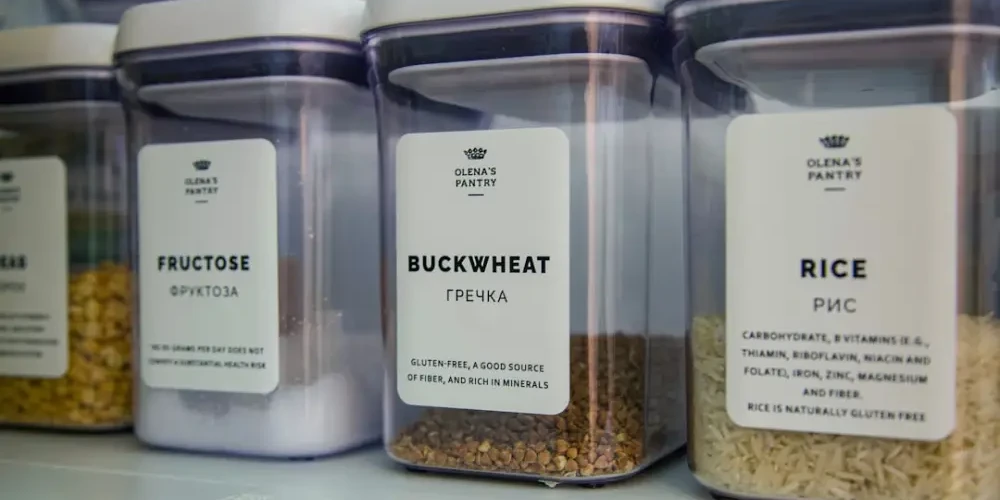
As we have explored in previous discussions about the rise of the curated pantry, there is a burgeoning movement toward a more intentional, foundational way of eating. This isn’t just a design trend; it is a financial strategy. A well-stocked pantry allows for what I call the ‘Pantry Economy’—the ability to create diverse, high-quality meals from a base of low-cost, shelf-stable ingredients.
When we rely on pre-packaged health meals or specialized gluten-free, dairy-free, sugar-free ‘replacements,’ we are paying for food engineering and plastic. When we return to the ‘Intuitive Cooking’ model—using dry beans, bulk grains, and versatile spices—the cost per serving drops dramatically. A bag of dried lentils costs a fraction of a single pre-made salad, yet it can form the basis of four different meals throughout the week.
Strategies for a Cost-Effective, Nutrient-Dense Kitchen
If we want to reclaim the idea that healthy eating is accessible, we have to change how we navigate the food system. It requires a shift from being a passive consumer to an active participant in our nutrition. Here are the pillars of an affordable, healthy kitchen:
- Embrace the Frozen Aisle: Frozen fruits and vegetables are often picked at peak ripeness and flash-frozen, preserving more nutrients than ‘fresh’ produce that has spent two weeks in a shipping container. They are significantly cheaper and eliminate food waste.
- Prioritize Plant-Based Proteins: While high-quality meat has its place, it is undeniably the most expensive part of a grocery bill. Substituting meat with chickpeas, black beans, or eggs even three nights a week can reduce a food budget by 20-30%.
- Buy in Bulk, Cook in Batches: Grains, nuts, and seeds are significantly cheaper when bought from bulk bins. Coupling this with a balanced weekly meal plan ensures that every ingredient purchased has a purpose, reducing the ‘hidden cost’ of discarded leftovers.
- Follow the Seasons: Eating strawberries in December is expensive because you are paying for the logistics of flight and refrigeration. Eating squash in October is cheap because the supply is abundant and local.
The Long-Term ROI of Home Cooking
There is a journalistic tendency to focus on the immediate checkout price of a grocery basket, but the true economy of eating well is seen in the long-term Return on Investment (ROI). When we shift away from ultra-processed foods—which are designed to be hyper-palatable but leave us hungry again within hours—we find that we actually need to buy less food to feel satisfied.
Nutrient-dense foods are naturally more satiating. The fiber in whole grains and the complex proteins in legumes regulate blood sugar and keep hunger cues at bay. In contrast, the ‘cheap’ calories found in processed snacks often lead to overconsumption, meaning you have to buy more to feel full. When viewed through this lens, the ‘expensive’ bag of brown rice is infinitely more economical than the ‘cheap’ bag of white flour crackers.
The Hidden Costs of Convenience
We often conflate ‘cheap’ with ‘convenient.’ A fast-food meal might seem inexpensive in the moment, but when we analyze the cost per gram of actual nutrition, it is remarkably poor value. Furthermore, the externalized costs—impact on energy levels, skin health, and long-term metabolic function—are debts that eventually come due. Eating well is a form of preventative maintenance that, while requiring an investment of time, pays dividends in vitality and reduced healthcare needs over time.
Redefining the Value of Our Plates
Ultimately, the belief that eating well is expensive is a narrative that serves the manufacturers of processed foods and the purveyors of luxury wellness. By stripping away the aesthetic requirements of the ‘healthy lifestyle’ and returning to the basics of creative, intuitive cooking, we find that a vibrant, nourishing diet is within reach for almost everyone.
Health shouldn’t be a status symbol. It shouldn’t require a specific brand of yoga leggings or a pantry filled with powders from the rainforest. It starts with a bag of lentils, a bunch of seasonal greens, and the realization that the most ‘elite’ thing you can do for your body is also one of the most humble. When we stop buying into the marketing, we can finally afford to eat well.
Related Posts

How to handle stress eating without feeling like you failed
Stop the guilt cycle. Learn why stress…

What our skin is actually telling us about our inner balance
Learn how to interpret skin signals and…
The Rise of the Curated Pantry as a Modern Lifestyle Essential
Discover why the curated pantry is more…